
Three newly disclosed pieces of evidence documenting the Japanese military’s chemical warfare in China during World War II offer what researchers describe as a complete chain of proof of a “systematic state crime” perpetrated by the invading troops.
The items — a refill canister for a chemical agent dispersal device and two historical documents related to chemical warfare — were collected in Japan by the Exhibition Hall of Evidences of Crime Committed by Unit 731 of the Japanese Imperial Army, a museum built on the former site of the Japanese army’s notorious biological and chemical warfare base in Harbin, the provincial capital of northeast China’s Heilongjiang.
Established as the nerve center for Japanese biological warfare in China and Southeast Asia during WWII, Unit 731 conducted human experiments on at least 3,000 people, and Japan’s biological weapons killed over 300,000 people in China.
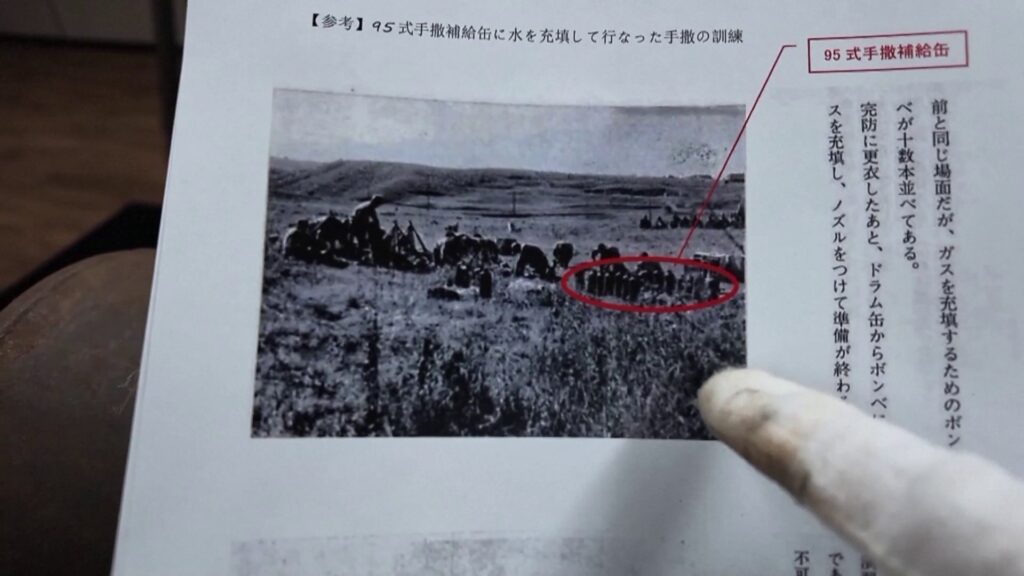
Released by the exhibition hall on Friday, the items together provide corroborating evidence of the Japanese military’s weapons manufacturing, personnel training and field testing during its war of aggression in China.
“The canister bears a nameplate listing its serial number, date of manufacture in 1938, and Japanese manufacturer. Its inner walls are coated with a special material to resist corrosion from the vesicant filling. These details provide direct and solid evidence of Japan’s wartime atrocities,” said Jin Shicheng, head of the exhibition hall’s publicity, education and exhibition department.
“On the battlefield, the Japanese military employed various methods to use chemical weapons in China. These included gas shells, the spraying of chemical agents from specially equipped vehicles and manual dispersal by soldiers. The newly unveiled device was loaded with blister agents, such as mustard gas, and manually operated by Japanese soldiers to release the toxic agents,” he said.
One of the two newly released documents is a collection of teaching materials and notes for Japanese chemical warfare trainees, compiled in 1942.
“Postwar testimonies from former Japanese military personnel reveal that what the Japanese military described as training in protection against toxic agents was actually intended to prepare its troops to conduct chemical warfare,” Jin said.
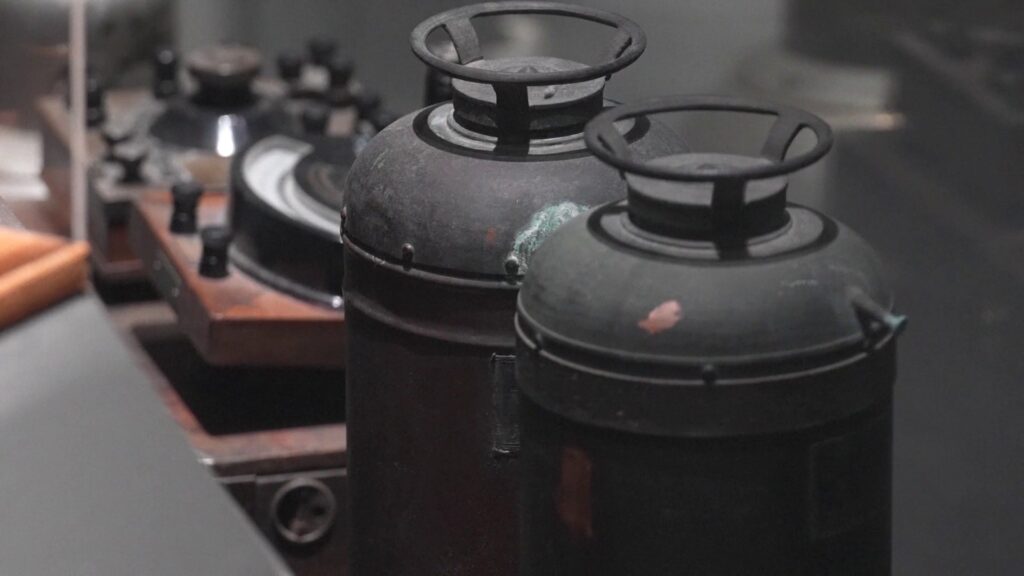
The other document, compiled in 1938, records the impact of extremely cold weather on chemical warfare operations. Experts believe the related tests were most likely conducted in northeast China.
“These three pieces of evidence were all collected in Japan. Together, they corroborate one another, forming a complete chain of evidence that confirms Japan’s chemical warfare was a top-down, premeditated, organized and systematic state crime,” Jin said.
Japan’s abandoned chemical weapons across China continue to pose severe threats to the safety of lives, property and the environment, and insufficient efforts and input from the Japanese side mean the destruction process is far behind schedule.
“Further research into historical documents is vital to defending historical truth against distortion. It could also provide potential clues for locating burial sites of Japanese abandoned chemical weapons,” Jin said.
Located in Harbin’s Pingfang District, the Exhibition Hall of Evidences of Crime Committed by Unit 731 of the Japanese Imperial Army constitutes the largest and best-preserved complex of biological warfare sites in the history of global warfare, including more than 20 ruins and remains such as the old headquarters, special prisons, bacterial laboratories, and incinerators.
Since its new building opened in August 2015, the hall has received more than 16 million visits, according to official data.
Related posts:
 চীনের তৈরি এজি৬০০ উভচর বিমানের কার্যকারিতা সফল পরীক্ষা
 হিউম্যানয়েড রোবট ইকোলজি কনফারেন্স হবে শাংহাইতে
 বাংলাদেশের সঙ্গে দ্বিপক্ষীয় সহযোগিতাকে নতুন পর্যায়ে উন্নীত করতে ইচ্ছুক চীন: ড. ইউনূসের সঙ্গে সাক্ষাতে বললেন চীনের প্রেসিডেন্ট সি চিনপিং
 চীনের চতুর্থ প্রজন্মের বাণিজ্যিক ফাস্ট রিঅ্যাক্টরের প্রাথমিক নকশা সম্পন্ন
নতুন ভিসা চালু করছে চীন
 ১৬ বছর বয়সেই বিশ্বকাপে বাজিমাত করল চীনা কিশোরী
 চীনা অর্ডার বন্ধ, ধুঁকছে মার্কিন সয়াবিন চাষিরা
 কাতারের ৪ বিলিয়ন ডলারের জ্বালানি প্রকল্পের কাজ শুরু করল চীনা প্রতিষ্ঠান
 এশিয়ান গেমসের উদ্বোধন, চীনের ৮১৫ অ্যাথলেটের অংশগ্রহণ
 চীন-ইন্দোনেশিয়া সম্পর্ক আরও জোরদারে গুরুত্বারোপ
 চীনের জাতীয় দিবসের অনুষ্ঠানে জামায়াত আমির, সি চিন পিংকে চিঠি
 চীন এককথায় অসাধারণ: সিজিটিএন-এর এক্সক্লুসিভ সাক্ষাৎকারে ইলন মাস্ক
 চীনের দুই জায়ান্ট পান্ডাকে স্বাগত জানাতে প্রস্তুত যুক্তরাষ্ট্র
বৈশ্বিক উদ্ভাবন সূচকে ১৪তম স্থানে হংকং
 বিশ্বজুড়ে চীনা দূতাবাসে ৭৭তম জাতীয় দিবস উদযাপন
চীন সফরে আসছেন রুশ প্রেসিডেন্টের সহকারী পাত্রুশেভ
 চীনে জাতীয় দিবসের ছুটিতে ৮২ কোটি ৬০ লাখ ভ্রমণ
 গানের সুরে লং মার্চের ইতিহাস বাঁচিয়ে রাখছে চীনের শতাধিক সদস্যের কয়ার
 তাইওয়ানের বিচ্ছিন্নতাবাদী শক্তিকে ভুল সংকেত দেওয়া বন্ধ করতে যুক্তরাষ্ট্রকে চীনের তাগিদ
চীন-উত্তর কোরিয়ার বন্ধুত্বের মাইলফলক নতুন ইয়ালু নদী সেতু: লি ছিয়াং